In Florida, law enforcement agencies, like many across the country, rely on inexpensive roadside drug testing kits to quickly identify suspected narcotics during traffic stops and arrests. These tests are widely used because they are cheap, portable, and provide immediate results. However, what many drivers do not realize is that these same tests are also responsible for a significant number of false positives, leading to arrests and criminal charges against people who have not committed any drug-related offense.
Back in 2017, an Orlando-area man won a $37,500 against the police after they mistook his donut icing for methamphetamine. It would be comical if this person didn’t spend 10 hours in jail because of a cheap test.
Another man spent 90 days in jail after pieces of drywall tested positive for illegal drugs.
What Are Field Drug Tests Used by Police in Florida
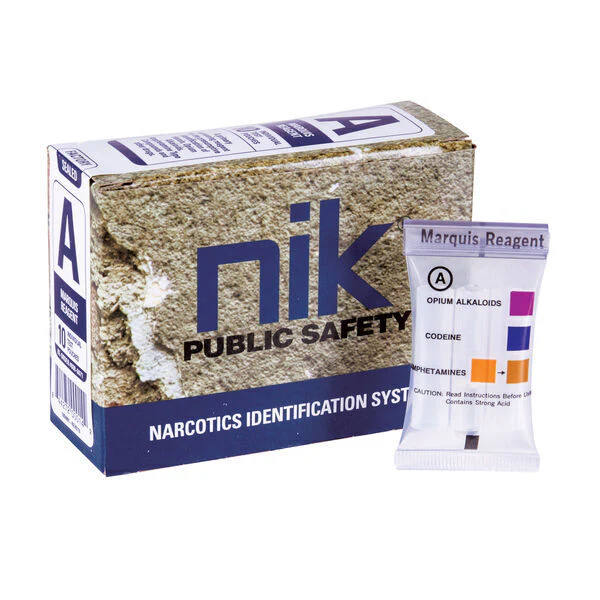
Police departments in Central Florida commonly use NIK brand narcotic field testing kits. A general screening kit, which can test for substances such as opiates and methamphetamine, costs as little as eighteen dollars for a pack of ten. Because they are so inexpensive and easy to deploy, officers often rely on them in the field as a first step in determining whether a substance is illegal. While these kits are intended to serve as preliminary tools to establish probable cause, in practice they often carry far more weight than they should.
Why Field Drug Tests Produce False Positives
The core problem is that these tests are not designed to be precise. They rely on chemical reactions that produce color changes when exposed to certain substances. One commonly used chemical, cobalt thiocyanate, turns blue when it comes into contact with cocaine. On paper, that sounds straightforward. In reality, the same chemical reaction can occur when exposed to dozens of legal substances, including certain prescription medications, acne treatments, and even common household cleaners. This lack of specificity means that entirely legal materials can trigger the same result as an illegal drug.
The risk of error does not stop with the chemistry. Many of these test kits require officers to follow specific procedures, including breaking chemical ampoules in a precise order. If that sequence is not followed correctly, the results can be invalid. Environmental conditions can also affect the outcome. Heat can accelerate or distort the reaction, while cold temperatures can slow it down or prevent the expected color change from appearing. Lighting conditions and human interpretation add another layer of uncertainty. In short, these tests introduce multiple points of failure before an arrest is even made.
Investigation Reveals Thousands of Wrongful Drug Arrests
A major investigation by ProPublica and The New York Times highlighted just how serious this problem has become. Their reporting found that tens of thousands of people across the United States are sent to jail each year based on field test results that later prove to be wrong. In many cases, individuals spend days or even weeks in custody before laboratory testing ultimately confirms that no illegal substance was present.
Another more recent report suggests that 30,000 people have been wrongfully taken to jail.
Florida Drug Test Error Rates Raise Serious Concerns
Data from the state crime lab in Florida reinforces these concerns. According to the investigation, approximately twenty-one percent of substances identified by police officers as methamphetamine were not methamphetamine at all. Even more troubling, roughly half of those substances were not illegal in any way. These errors often stem from officers misinterpreting the color results or misunderstanding the instructions provided with the kits. When the margin for error is this high, the consequences for the public are significant.
Real Case Example of a False Positive Drug Arrest
One widely discussed case involved an Orlando man who was arrested after officers believed flakes from a glazed doughnut were methamphetamine. The field test indicated a positive result, leading to his arrest on drug charges. Subsequent laboratory testing revealed that the substance was not a controlled drug, and the charges were eventually dropped. Despite that outcome, the individual still faced the immediate consequences of being arrested, booked, and publicly associated with a serious criminal offense. He later reached a settlement with the city, but the experience illustrates how quickly a flawed test can escalate into a life-altering situation.
Long Term Consequences of a Wrongful Drug Arrest
Even when charges are dismissed, the damage is not automatically undone. An arrest record can impact employment opportunities, professional licensing, housing applications, and personal reputation. For individuals working in security, transportation, or other regulated industries, even a temporary arrest can create long-term obstacles. Clearing a record through expungement can take time and often requires legal assistance, meaning the consequences of a false positive can extend far beyond the initial incident.
Why Police Continue Using Field Drug Test Kits
Manufacturers of these test kits, including The Safariland Group, have stated that their products are intended only as presumptive tools and not as substitutes for laboratory analysis. They emphasize that proper training and adherence to protocols are critical. Law enforcement agencies often respond to incidents by providing additional training or conducting internal reviews. However, the continued reliance on tests with known limitations raises ongoing concerns about their role in the arrest process.
How Field Drug Tests Impact DUI and Drug Charges in Florida
These issues are particularly relevant in DUI and drug-related driving cases. In Florida, a driver can face serious charges not only for possession of a controlled substance but also for driving under the influence of drugs. If a field test incorrectly identifies a substance, it can lead to immediate arrest, vehicle searches, and additional charges. In some situations, these cases may also involve allegations of intent to distribute or enhanced penalties if other factors are present. What begins as a routine traffic stop can quickly escalate into a complex criminal case based on unreliable evidence.
How a Florida DUI Lawyer Can Challenge Field Test Evidence
An experienced DUI and criminal defense attorney will closely examine how these tests were used in a particular case. This includes evaluating whether the officer followed proper procedures, whether the results were interpreted correctly, and whether confirmatory laboratory testing was conducted. Attorneys may also challenge the scientific reliability of the tests themselves, particularly in cases where no additional evidence supports the charges. Issues related to evidence handling, contamination, and chain of custody can further weaken the prosecution’s case.
For individuals facing charges based on a field test, it is critical to understand that a positive result does not equal proof of guilt. These tests are only one piece of evidence, and in many cases, they are among the weakest. Prompt legal intervention can make a significant difference in how the case is handled, from challenging probable cause to preventing charges from moving forward altogether.
What To Do If You Are Arrested Based on a Field Drug Test
If you are arrested in Florida and a roadside drug test is involved, it is important to remain cautious. Do not assume the test is accurate, and do not make statements that could be used against you without first consulting an attorney. Request that the substance be sent for independent laboratory testing, and take steps to protect your rights as early as possible in the process.
The Bottom Line on Field Drug Test Accuracy in Florida
The reality is that inexpensive field drug tests, while convenient for law enforcement, come with a high risk of error. When those errors lead to arrests, the consequences can be severe. In a state like Florida, where DUI and drug laws carry significant penalties, relying on flawed testing methods can result in outcomes that are both unjust and avoidable.
If you or someone you know is facing DUI or drug charges in Florida, particularly in a case involving questionable field testing, the DUI and criminal defense team at The Ticket Clinic can help evaluate the evidence and build a strong defense. With decades of experience handling complex cases across the state, the firm understands how to challenge unreliable evidence and protect your record.
Text your ticket or arrest details to 305 305 to get started and learn what options may be available in your case.