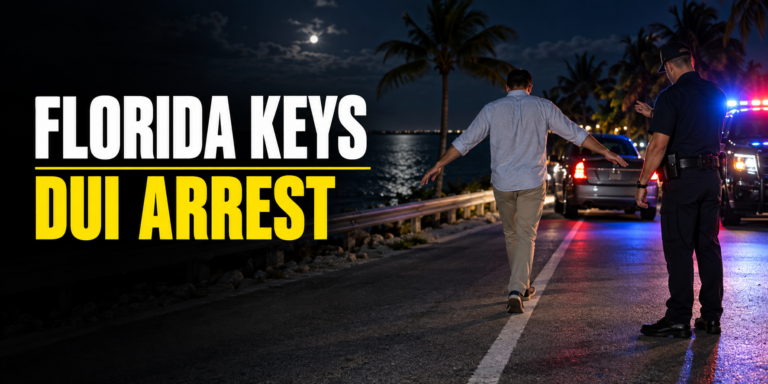

A DUI arrest in Clearwater can move quickly from a roadside investigation to chemical testing, booking, release, driver’s license proceedings and criminal court. Decisions made during the first few hours and days can affect both the criminal case and your ability to drive.
DUI investigations in Clearwater and Pinellas County may be conducted by the Clearwater Police Department , Pinellas County Sheriff’s Office , Florida Highway Patrol and police departments serving St. Petersburg, Largo, Pinellas Park, Dunedin, Tarpon Springs and other municipalities.
DUI stops and crash investigations may occur on U.S. Highway 19, Gulf-to-Bay Boulevard, State Road 60, East Bay Drive, Roosevelt Boulevard, Ulmerton Road, McMullen Booth Road, Belcher Road, Park Boulevard, Interstate 275, the Courtney Campbell Causeway, Bayside Bridge, Gandy Bridge and other roads throughout Pinellas County.
Important: A DUI Arrest Can Start a Separate License Case
A Florida DUI arrest may trigger an administrative driver’s license suspension that is separate from the criminal prosecution. The deadline for challenging the suspension is commonly 10 days from the date of arrest or notice of suspension.
Review the DUI citation, temporary permit and suspension documents immediately. Waiting for the first criminal court date may cause you to lose an opportunity to address the administrative suspension.
What Happens During a Clearwater DUI Investigation?
An officer may begin a DUI investigation after observing an alleged traffic violation, responding to a crash, receiving a report from another driver or encountering a stopped vehicle.
During the investigation, the officer may ask where you were coming from, whether you consumed alcohol or drugs and how much you consumed. The officer may also look for alleged signs of impairment, including:
- Bloodshot or watery eyes
- Slurred speech
- The odor of an alcoholic beverage
- Difficulty locating a driver’s license or registration
- Problems exiting the vehicle
- Swaying or difficulty balancing
- Confusion or delayed responses
- Unusual driving or involvement in a crash
These observations are subjective and do not automatically establish impairment. Fatigue, anxiety, allergies, injuries, medical conditions, prescription medication and environmental conditions can produce similar observations.
What to Do During a Clearwater DUI Stop
- Pull over safely. Signal, reduce your speed and stop in a safe location. Keep your hands visible and avoid sudden movements.
- Provide the required documents. Be prepared to provide your driver’s license, vehicle registration and proof of insurance when requested.
- Remain calm and respectful. Arguing with the officer is unlikely to end the investigation and may create additional evidence in the police report or body-camera recording.
- Avoid volunteering unnecessary information. You do not have to explain where you were, what you consumed or how much you drank. You can politely state that you wish to remain silent and speak with an attorney.
- Do not physically resist. If the officer decides to make an arrest, remain calm. The legality of the detention, investigation and arrest can be challenged later.
- Remember that the investigation may be recorded. Statements, movements and reactions captured by body cameras or dashboard cameras may become evidence.
Should You Perform Field Sobriety Exercises?
An officer may ask you to perform roadside exercises such as the walk-and-turn, one-leg stand or horizontal gaze nystagmus exercise. These tasks are used to gather evidence about coordination, balance, attention and eye movement.
Conditions that may affect performance include:
- Uneven, sandy, wet or poorly lit pavement
- Traffic, wind, flashing lights and roadside distractions
- Footwear or restrictive clothing
- Age, weight or physical limitations
- Back, knee, ankle or balance problems
- Fatigue, fear or anxiety
- Difficulty hearing or understanding instructions
If you have a medical condition, injury or physical limitation, clearly tell the officer. Do not exaggerate or invent a condition.
Breath, Urine and Blood Testing
Florida’s implied-consent laws can create serious consequences when a driver refuses a lawful breath, urine or blood test. A refusal may result in an administrative license suspension, may be used as evidence and, depending on the circumstances and current law, may create additional legal exposure.
A DUI attorney may examine:
- Whether the officer had lawful grounds for the stop and arrest
- Whether implied-consent warnings were properly given
- Whether the requested test was legally authorized
- How the breath-testing instrument was maintained and operated
- Whether the required observation procedures were followed
- Whether medical or environmental factors affected the result
- How blood or urine samples were collected, stored and analyzed
- Whether the state can prove an actual refusal
Current administrative-suspension information is available through the Florida Department of Highway Safety and Motor Vehicles .
What Happens After a DUI Arrest in Pinellas County?
After an arrest, a person may be transported to the Pinellas County Jail for booking. The jail is operated by the Pinellas County Sheriff’s Office and is located at 14400 49th Street North in Clearwater.
Booking may include:
- Identity and personal-information verification
- Fingerprinting and photographs
- Medical and mental-health screening
- Property inventory and storage
- Entry of the criminal charges
- Housing and classification decisions
- Bond processing when applicable
Family members can use the Pinellas County Sheriff’s Office arrest inquiry to search for people currently in custody and individuals released within the system’s stated reporting period.
What to Do Immediately After Release
- Read every document you received. Identify the criminal court date, bond conditions, suspension information and any restrictions imposed as a condition of release.
- Do not drive if your license is suspended. Driving while suspended can create another charge and complicate the DUI case.
- Address the license deadline immediately. Speak with a DUI attorney about administrative-review and hardship-license options before the applicable deadline expires.
- Preserve potential evidence. Save receipts, photographs, location history, ride-share records, messages, videos and the names of people who saw you before or after the arrest.
- Write down what happened. Record what you remember about the stop, roadside exercises, testing, arrest, booking and release while the details remain fresh.
- Follow every release condition. Do not violate no-alcohol orders, monitoring requirements, travel restrictions or other conditions.
- Avoid discussing the case publicly. Social-media posts, messages and comments about the incident may be discovered and used as evidence.
A Pinellas County DUI Can Involve Two Proceedings
1. The Criminal DUI Case
The criminal prosecution addresses whether the state can prove the DUI charge and any related offenses beyond a reasonable doubt. Pinellas County criminal matters are handled through Florida’s Sixth Judicial Circuit.
The Pinellas County Justice Center is the county’s primary criminal and judicial facility. Always rely on the court location and appearance information listed on your case documents.
2. The Administrative Driver’s License Case
The administrative case concerns the suspension imposed after an alleged unlawful alcohol level or refusal. It is separate from the criminal case and operates under different procedures and deadlines.
Resolving one proceeding does not automatically determine the outcome of the other. Both matters should be reviewed promptly.
Potential Consequences of a Florida DUI Case
Possible consequences depend on the allegations, test results, prior record, crash circumstances and other facts. They may include:
- Criminal fines and court costs
- Probation
- Driver’s license suspension or revocation
- DUI school and substance-abuse evaluation
- Community service
- Vehicle impoundment or immobilization
- Ignition-interlock requirements
- Jail or other incarceration
- Higher insurance costs
- Employment or professional-license consequences
Enhanced penalties may apply when a case involves prior convictions, a high alleged alcohol level, a minor passenger, a crash, property damage, injury or death.
Evidence a Clearwater DUI Lawyer May Examine
A DUI arrest is not a conviction. The prosecution must prove every required element, and the defense may challenge the legality, reliability or interpretation of the evidence.
- The legal basis for the traffic stop or initial encounter
- Whether the officer had probable cause to make an arrest
- Body-camera and dashboard-camera footage
- 911 calls and dispatch records
- The administration of field sobriety exercises
- Breath-instrument inspection and maintenance records
- Blood or urine collection and chain-of-custody records
- Medical conditions, medications and alternative explanations
- Witness statements and nearby surveillance video
- Statements attributed to the driver
- Compliance with Florida implied-consent procedures
Common Mistakes to Avoid
- Waiting until the first court date to address the license suspension
- Driving despite a suspension or court restriction
- Missing a court appearance
- Deleting videos, messages, receipts or location records
- Contacting witnesses and telling them what to say
- Posting details about the arrest on social media
- Assuming a first DUI charge is not serious
- Believing that an arrest automatically means conviction
- Failing to comply with bond or pretrial-release conditions
What If You Were Visiting Clearwater Beach?
Clearwater and the Pinellas County beaches attract tourists, business travelers, seasonal residents and visitors from outside Florida. Returning home does not end the case or eliminate court and license obligations.
Florida may report license actions and convictions to another state. An attorney can determine whether court appearances may be handled without requiring every trip back to Clearwater.
The Bottom Line: Act Quickly After a Clearwater DUI Arrest
A DUI arrest in Clearwater can move quickly from the roadside investigation to booking, release, license proceedings and criminal court. Important decisions are made early, and waiting can make it harder to preserve evidence or protect available options.
The DUI and Criminal Division of The Ticket Clinic has defended Florida DUI and traffic cases since 1987. Our Clearwater team represents clients throughout Pinellas County, including Clearwater, St. Petersburg, Largo, Pinellas Park, Dunedin, Safety Harbor, Oldsmar, Seminole, Tarpon Springs and the beach communities.
Our attorneys examine the stop, roadside exercises, chemical testing, videos, reports, witness statements and local court procedures to develop a defense based on the specific evidence.
A DUI arrest is not a conviction. Contact our Clearwater team promptly to discuss the case and the deadlines that may apply.
Call The Ticket Clinic’s DUI and Criminal Division:
800-625-5232
Text a picture of your paperwork for a fast and free quote:
305305
This article provides general information and does not constitute legal advice. Florida DUI laws, administrative procedures and court requirements may change. Available options depend on the facts of the individual case. Reading this page does not create an attorney-client relationship. Prior results do not guarantee a similar outcome.
Clearwater and Pinellas County DUI FAQs
These answers address common questions following a DUI arrest in Clearwater or elsewhere in Pinellas County.
How long do I have to challenge a DUI license suspension?
The deadline is commonly 10 days from the date of arrest or issuance of the suspension notice. Review the citation and suspension paperwork immediately. The administrative license case is separate from the criminal prosecution.
Where will I be taken after a DUI arrest in Pinellas County?
A person arrested in Pinellas County may be transported to the Pinellas County Jail at 14400 49th Street North in Clearwater. The exact booking and release process depends on the arrest, charges, bond conditions and other circumstances.
Where are Clearwater DUI cases handled?
Pinellas County criminal cases are handled through Florida’s Sixth Judicial Circuit. The Pinellas County Justice Center in Clearwater is the county’s primary criminal and judicial facility. Follow the location and appearance instructions listed on your court documents.
Do I have to answer questions during a DUI investigation?
You must provide required identifying and vehicle documents, but you do not have to volunteer explanations about where you were, what you consumed or how much you drank. You may politely state that you wish to remain silent and speak with an attorney.
Are field sobriety exercises mandatory in Florida?
Roadside exercises are different from breath, blood and urine testing. Whether participation was legally required and how a refusal may be used depends on the circumstances. Drivers should avoid physically resisting and should clearly disclose legitimate injuries or medical limitations.
What happens if I refuse a breath test?
Refusing a lawfully requested chemical test can result in an administrative license suspension, may be introduced as evidence and may create additional consequences under Florida law. The effect depends on the driver’s history, warnings given and circumstances of the alleged refusal.
Can a DUI charge be based on prescription medication?
Yes. A DUI allegation can involve alcohol, illegal drugs, prescription medication or a combination of substances. Having a valid prescription does not automatically prevent a DUI charge, but medical records, dosage information and other evidence may be relevant to the defense.
Can a Clearwater DUI lawyer appear in court for me?
An attorney may be able to handle some proceedings without the client being physically present. Personal attendance may still be required for certain hearings or when ordered by the court. An attorney should review the case before advising whether an appearance can be avoided.
What evidence can be challenged in a DUI case?
Potential issues may involve the legality of the stop, probable cause for arrest, roadside exercises, body-camera footage, witness accounts, breath-device records, implied-consent warnings and the collection or handling of blood and urine samples.
Is a first DUI in Clearwater a serious charge?
Yes. Even a first DUI case may involve a criminal record, fines, probation, license consequences, DUI school, community service, vehicle impoundment, insurance consequences and possible incarceration. Additional allegations can increase the potential penalties.
What if I was visiting Clearwater Beach when arrested?
Returning home does not eliminate the Florida criminal case or license proceedings. An attorney can review whether particular appearances can be handled without requiring repeated travel to Pinellas County.
Does hiring a DUI lawyer guarantee a dismissal?
No attorney can guarantee a dismissal or any particular outcome. Results depend on the evidence, allegations, prior history, applicable law and facts of the individual case.
Speak With a Clearwater DUI Lawyer
A DUI arrest is not a conviction. The Ticket Clinic can review the evidence, explain the separate court and license proceedings and discuss the options that may be available.
Call the DUI and Criminal Division:
800-625-5232
Text a picture of your paperwork to:
305305 for a fast and free quote.